In a new exhibition, the featured images reflect Britain’s attempts to classify and curb the subcontinent’s population, but they also demonstrate the nobility of their subjects – and the futility of the taskAt first, and without the context, someone looking at this collection of 150-year-old photographs of Indian men and women might think they were looking at compelling portraits. The faces are of individuals with piercing eyes and a striking presence.But context changes everything. The images w...
Manure dryers and devil dancers: the British empire’s attempt to use photography to control India

स्रोत: The Guardian India
AI अनुवादित सारांश
टिप्पण्या (0)
लॉग इन करा संभाषणात सहभागी होण्यासाठी.
अद्याप कोणत्याही टिप्पण्या नाहीत. पहिली टिप्पणी करा!
संबंधित बातम्या
भारत
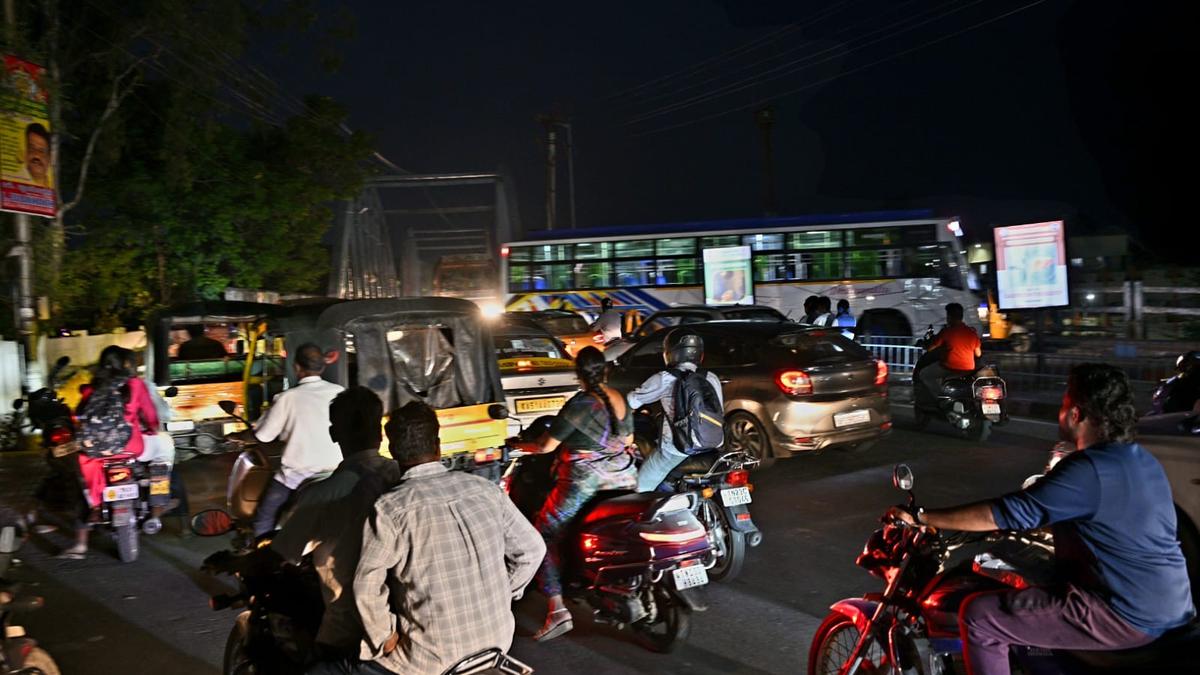
T.N. election 2026: Katpadi constituency residents seek solution to heavy traffic congestion, lack of jobs
Bifurcated from Gudiyatham Assembly constituency way back in 1962, Katpadi seat was won by the AIADMK at least thrice be...
The Hindu
•
•
4 मिनिटांत वाचा
भारत
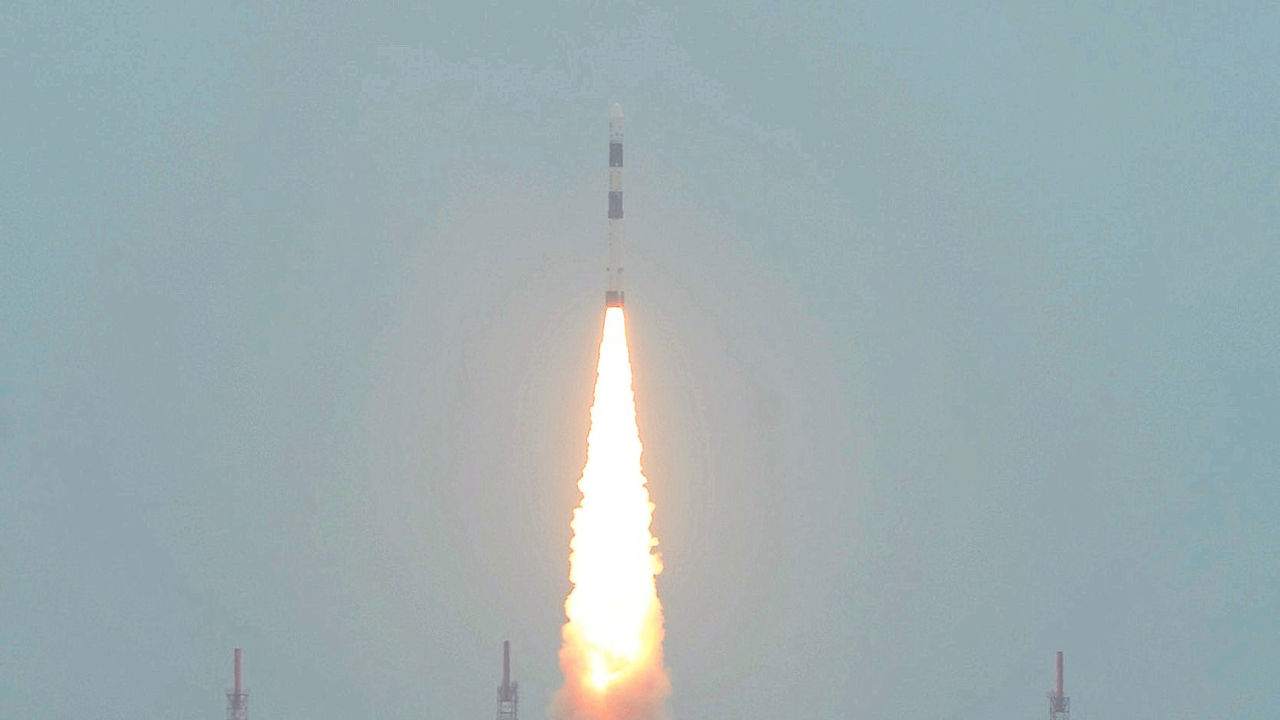
Gujarat government plans India’s third spaceport near Gir Somnath
India is set to establish its third satellite launch centre in Gujarat, with a site identified near Gir Somnath district...
Times of India
•
•
1 मिनिटांत वाचा
भारत
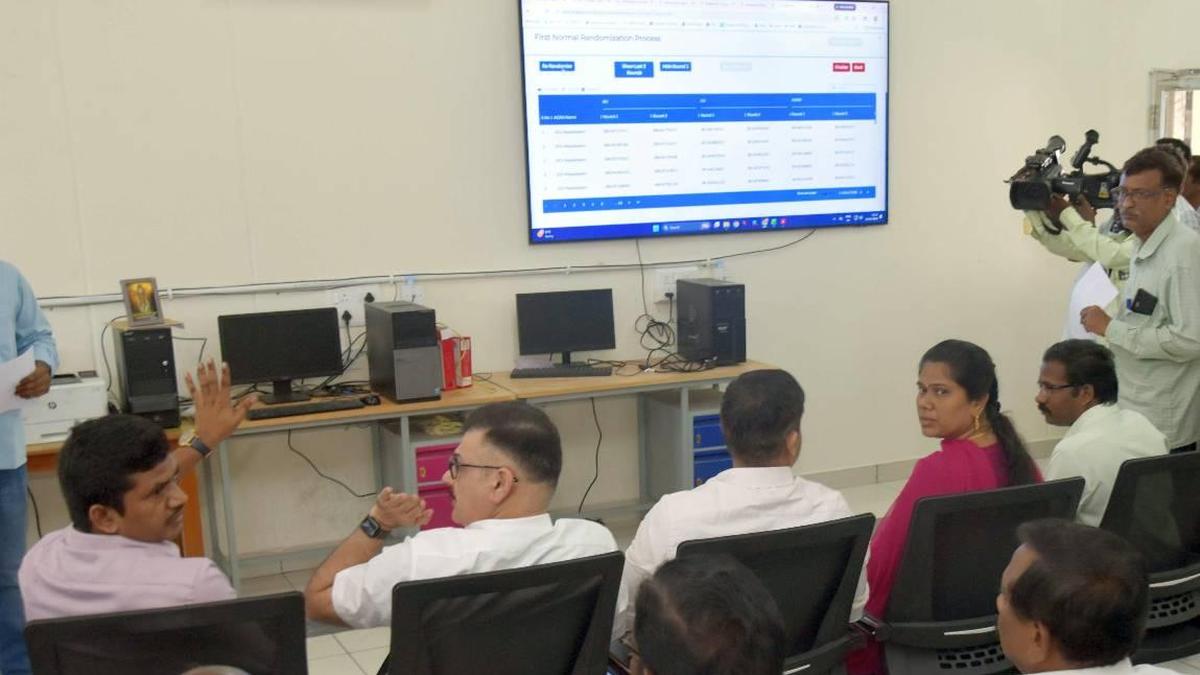
First randomisation of EVMs, VVPATs to be used in seven Assembly constituencies of Virudhunagar district carried out
2,396 Ballot units, 2,396 control units, 2,596 VVPAT machines would be taken to storage points of respective Assembly co...
The Hindu
•
•
1 मिनिटांत वाचा
भारत
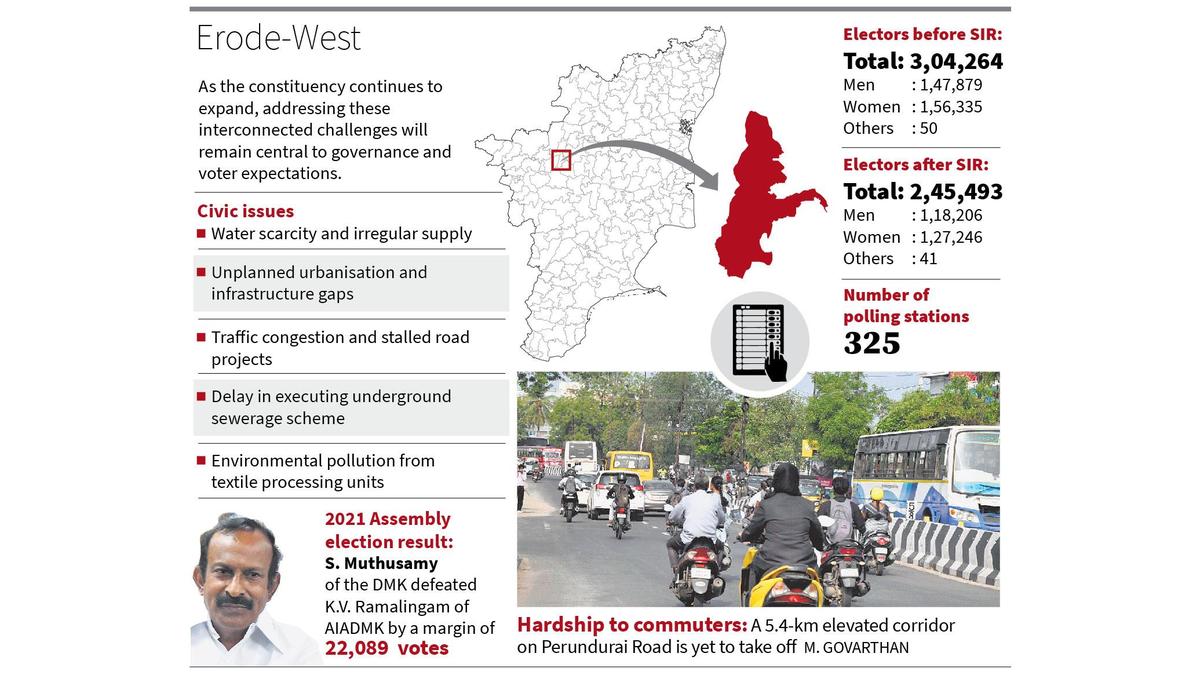
T.N. Assembly election 2026: water scarcity, pollution concerns, and transport gaps in Erode (West) constituency
With around 2.45 lakh electors, the Erode (West) Assembly constituency has the largest voter base in the district. The r...
The Hindu
•
•
1 मिनिटांत वाचा
भारत
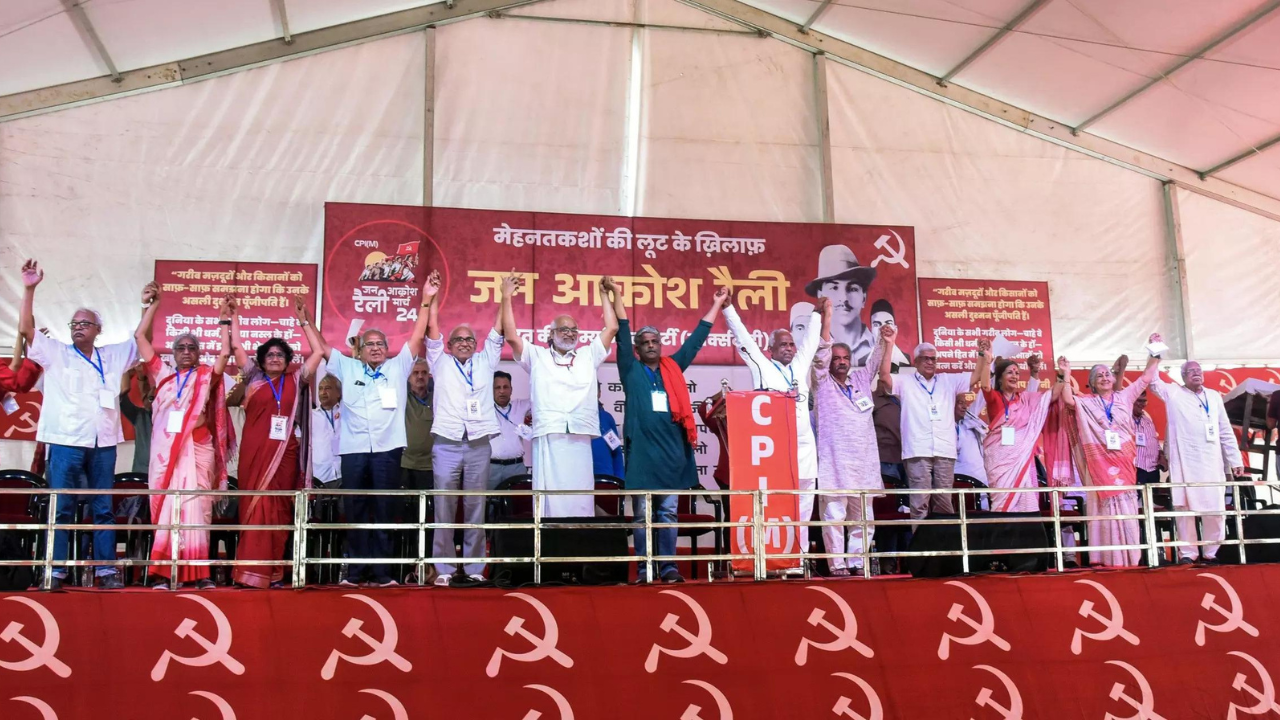
At 'Jan Aakrosh Rally' CPM flags gas cylinder scarcity, price rise amid Iran-US-Israel war
Thousands gathered at Delhi's Ramlila Maidan for a CPI(M) rally, demanding the government condemn US-Israel attacks on I...
Times of India
•
•
1 मिनिटांत वाचा
The Guardian India चे आणखी

‘We consider every mile we drive’: how fuel shortages are affecting readers worldwide
The Guardian India
·

Thousands of people are selling their identities to train AI – but at what cost?
The Guardian India
·

How the Iran war has sent shocks rippling across the globe
The Guardian India
·
Weather tracker: Unseasonal storms hit parts of Pakistan and India
The Guardian India
·
