In Chizami village in Nagaland’s Phek district, women sit together sorting seeds into small woven baskets. Some will be sown next season, others shared, and many stored in a community seed bank — a modest institution that, in recent years, has become a form of insurance against climate change. There is nothing ceremonial about the act. But there is intention. The seed bank, maintained by women farmers, preserves over 150 indigenous crop varieties, including traditional rice, millets, beans and g...
Keeping seeds, feeding families: The quiet labour of women farmers
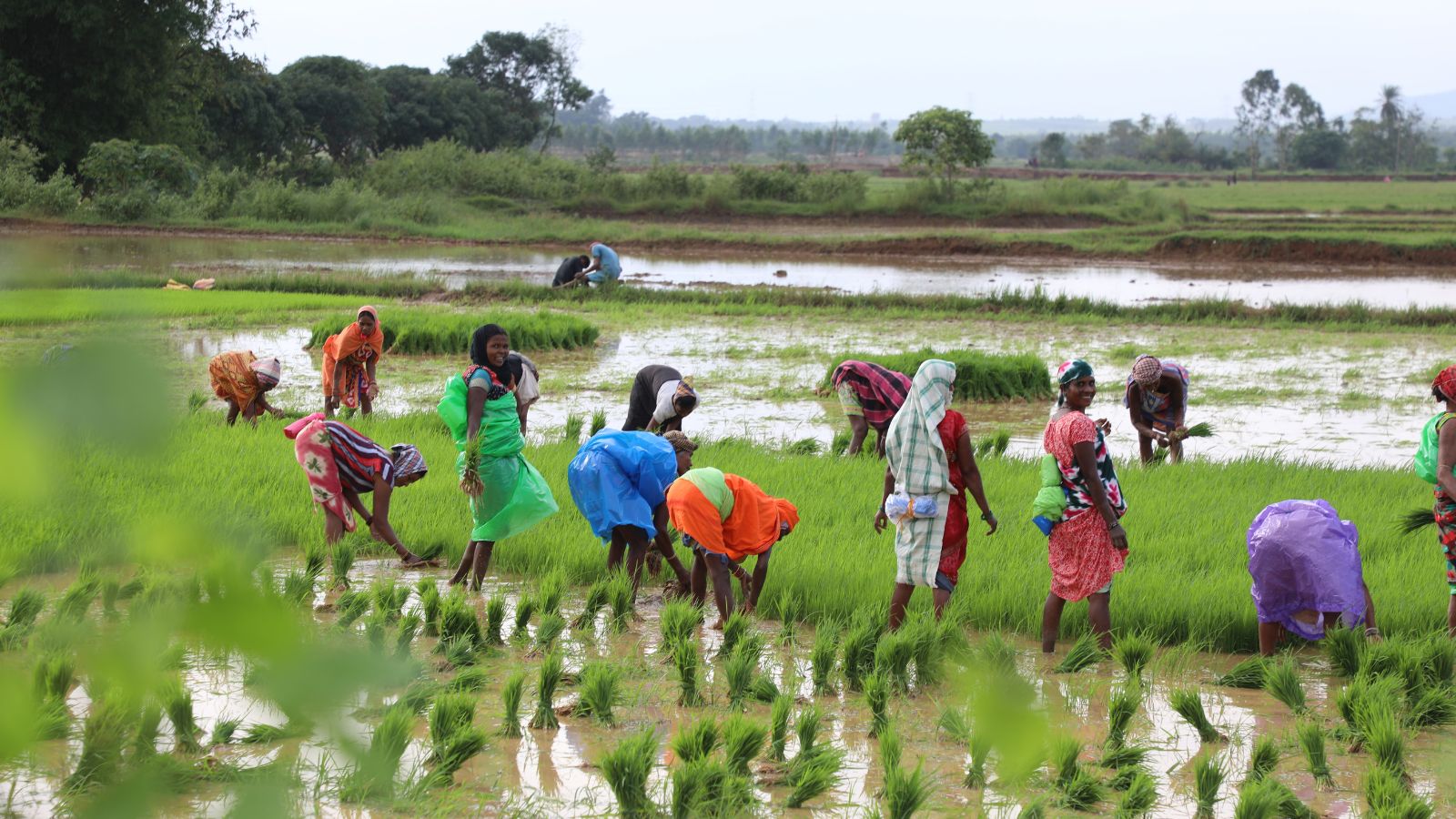
Sourced from Indian Express
Comments (0)
Log in to join the conversation.
No comments yet. Be the first to comment!
Related News
India
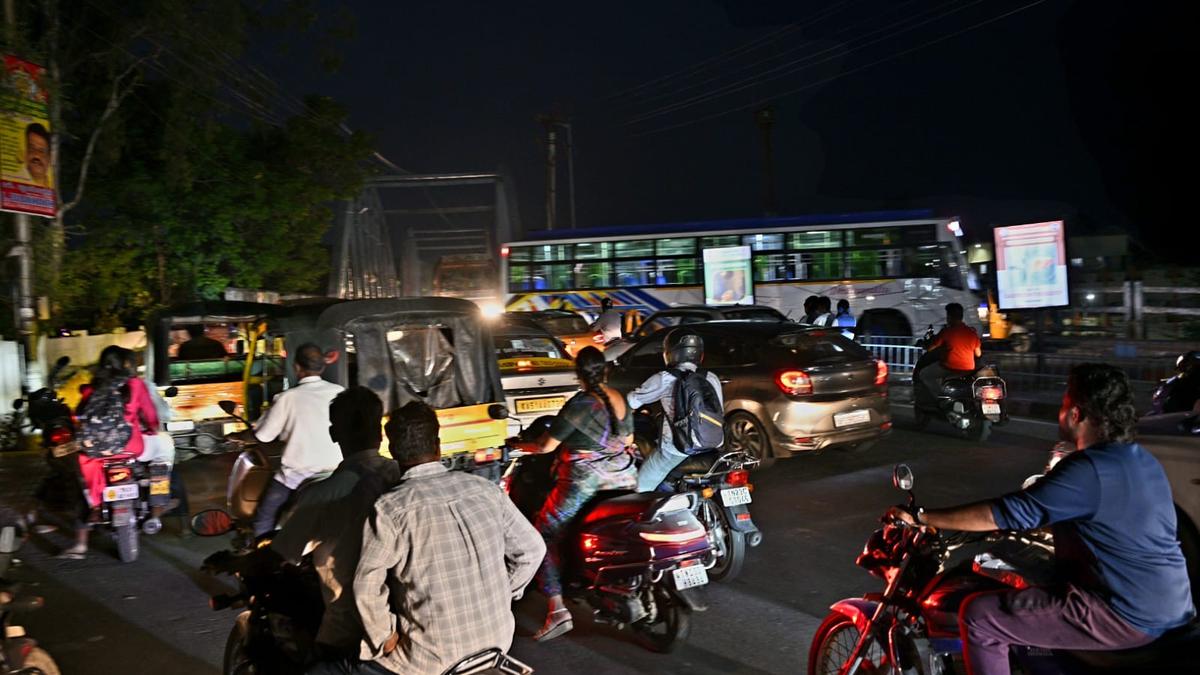
T.N. election 2026: Katpadi constituency residents seek solution to heavy traffic congestion, lack of jobs
Bifurcated from Gudiyatham Assembly constituency way back in 1962, Katpadi seat was won by the AIADMK at least thrice be...
The Hindu
•
•
4 min read

India
Gujarat government plans India’s third spaceport near Gir Somnath
India is set to establish its third satellite launch centre in Gujarat, with a site identified near Gir Somnath district...
Times of India
•
•
1 min read
India
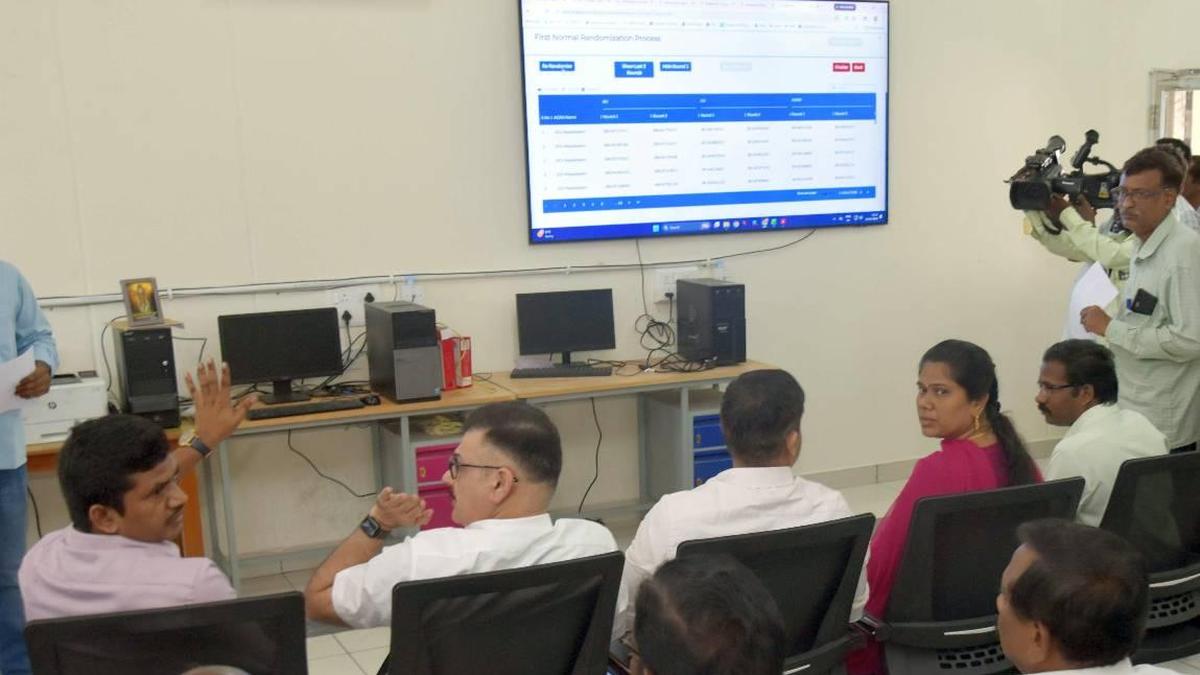
First randomisation of EVMs, VVPATs to be used in seven Assembly constituencies of Virudhunagar district carried out
2,396 Ballot units, 2,396 control units, 2,596 VVPAT machines would be taken to storage points of respective Assembly co...
The Hindu
•
•
1 min read
India
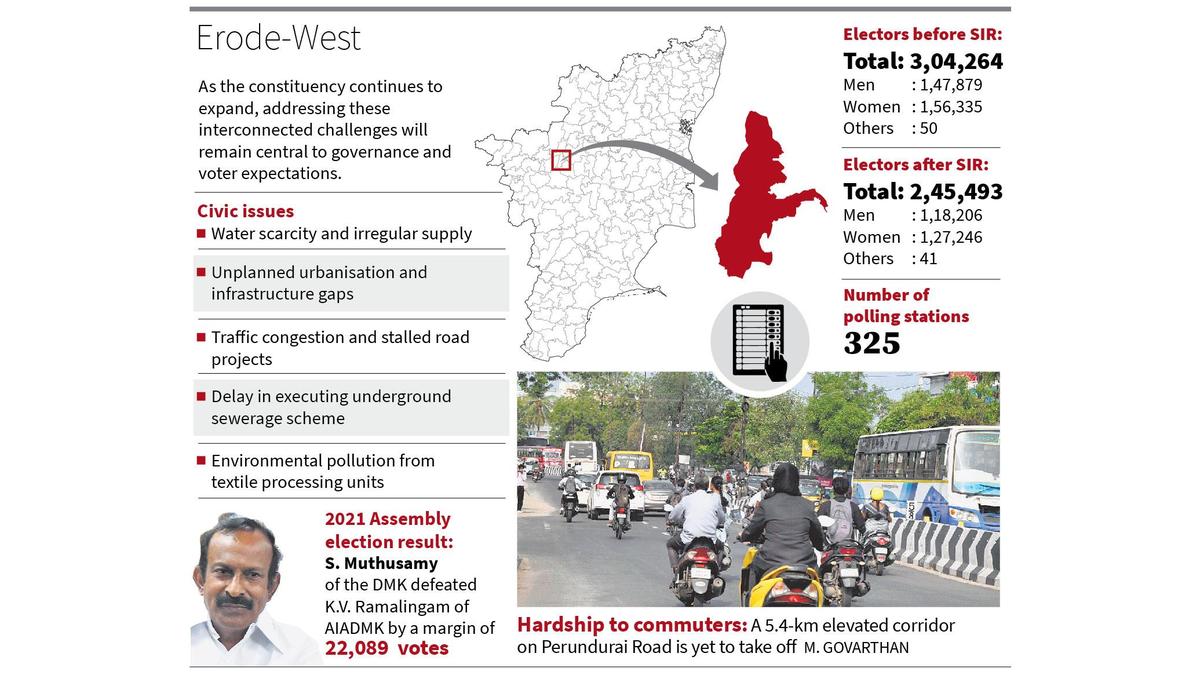
T.N. Assembly election 2026: water scarcity, pollution concerns, and transport gaps in Erode (West) constituency
With around 2.45 lakh electors, the Erode (West) Assembly constituency has the largest voter base in the district. The r...
The Hindu
•
•
1 min read
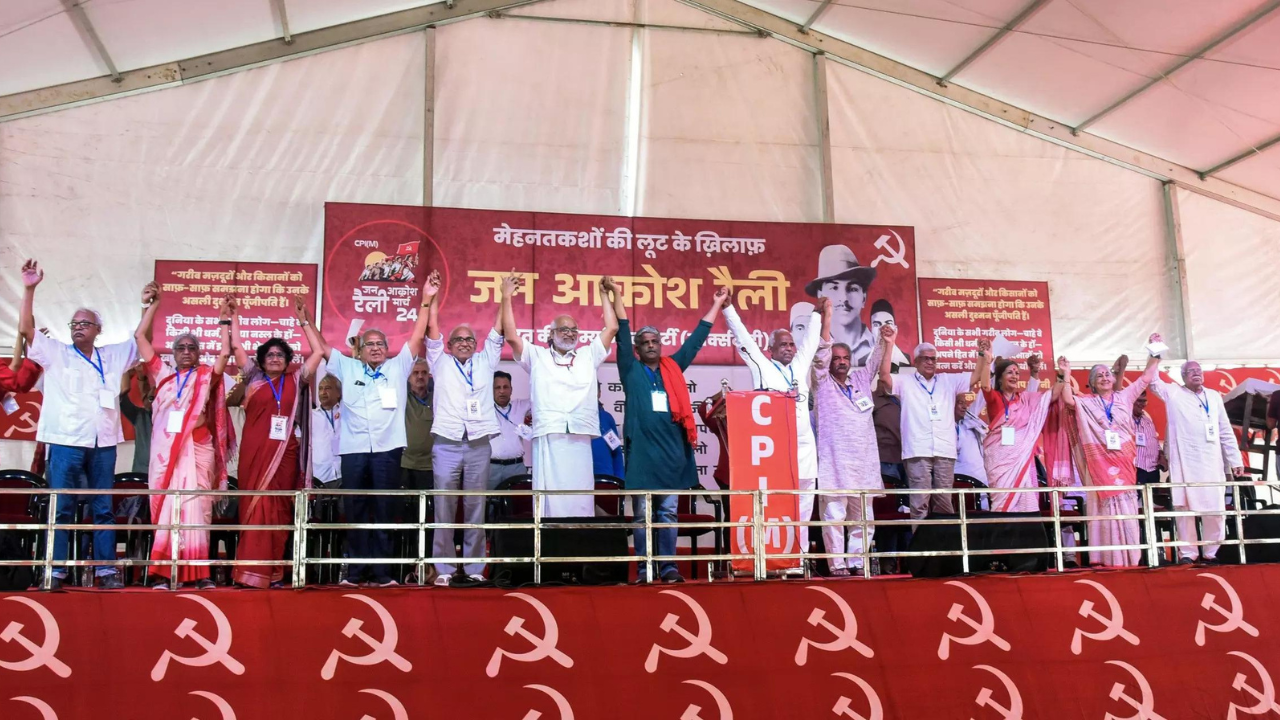
India
At 'Jan Aakrosh Rally' CPM flags gas cylinder scarcity, price rise amid Iran-US-Israel war
Thousands gathered at Delhi's Ramlila Maidan for a CPI(M) rally, demanding the government condemn US-Israel attacks on I...
Times of India
•
•
1 min read
More from Indian Express

FBI foils imminent assassination plot against high-profile pro-Palestinian activist Nerdeen Kiswani: Report
Indian Express
·

Sending separate teams an option for Hockey World Cup and Asian Games
Indian Express
·

‘Firm solidarity in this hour of grief’: Mirwaiz visits Iran Embassy, condoles death of Ayatollah Khamenei
Indian Express
·

Daniel Vettori lauds Sunrisers Hyderabad stand-in skipper Ishan Kishan, says his confidence as player and leader led to captaincy gig
Indian Express
·
